


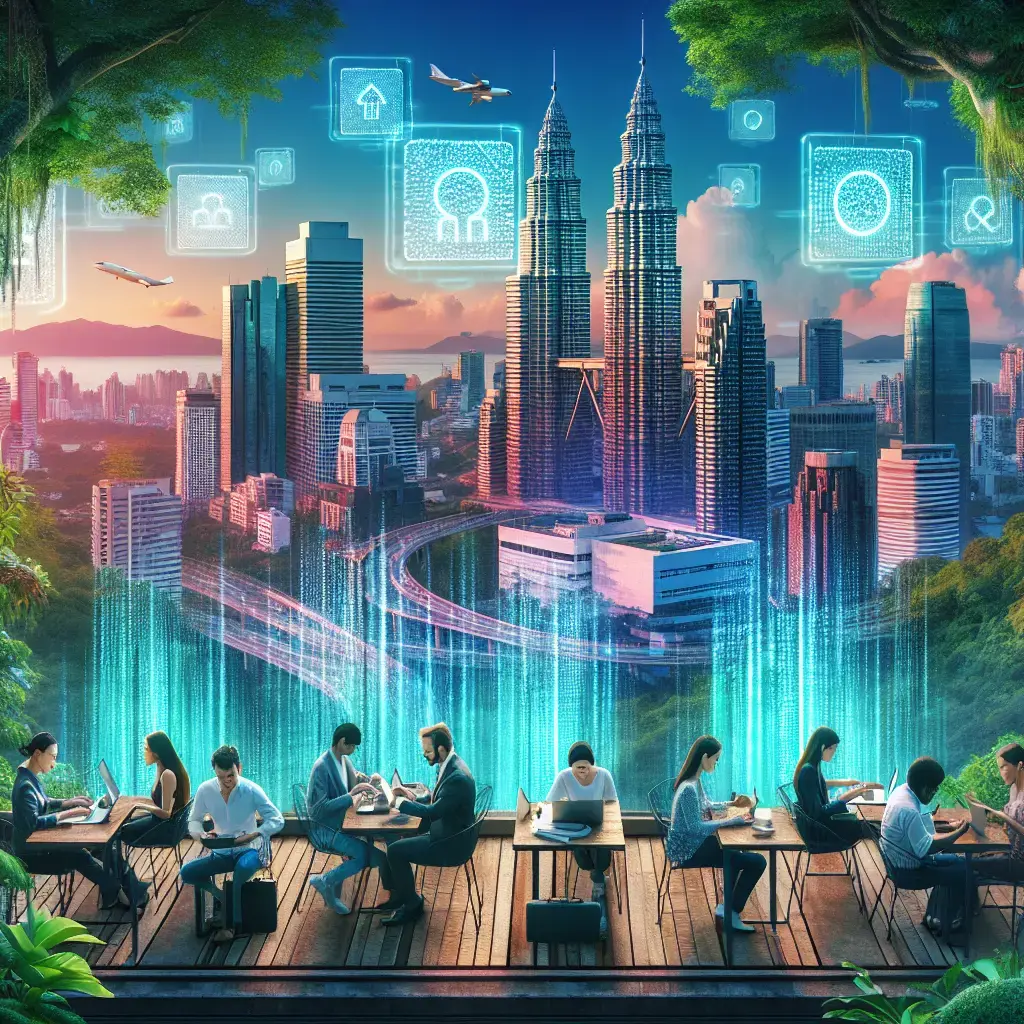
In a rapidly evolving global workforce landscape, the future of work is being reshaped by the burgeoning digital nomad lifestyle. As remote work opportunities expand, so too does the appeal of digital nomad visas, allowing professionals to embrace a work-from-anywhere culture. This shift has ignited a surge in flexible work arrangements, enabling individuals to explore location-independent work without sacrificing career advancement. With digital nomad visa requirements becoming more accessible, countries worldwide are opening their doors to this new wave of professionals, fostering digital nomad community growth and diverse cultural exchanges.
The impact of digital nomad visas on education is profound, prompting the rise of education for digital nomads tailored to meet the demands of this unique lifestyle. Online learning for nomads and remote work education programs are flourishing, equipping individuals with the skills for remote work success. As digital nomad visa benefits become more widely recognized, there's an increasing emphasis on future job skills and career development for digital nomads.
In this dynamic environment, education technology for nomads is crucial, ensuring that learning transcends geographical boundaries. The synergy between global workforce trends and digital nomad visa countries highlights the need for continuous adaptation and innovation. As we delve into the intricacies of this transformative era, we uncover the potential of remote work as a catalyst for personal and professional growth. Explore the intricacies of how digital nomadism is shaping the future of work and education, setting the stage for an exciting journey into uncharted territories.
As we step into 2024, the future of work is intricately linked with the evolution of the digital nomad lifestyle. This transformation is largely driven by the proliferation of digital nomad visas, a concept gaining traction as countries worldwide recognize the potential benefits of welcoming a mobile workforce. According to recent insights from Hospitality Net, the travel landscape is rapidly evolving, with new trends expected to redefine how individuals balance work and exploration by 2025 (source).
The Appeal of Digital Nomad Visas
Remote Work Opportunities and Education for Digital Nomads
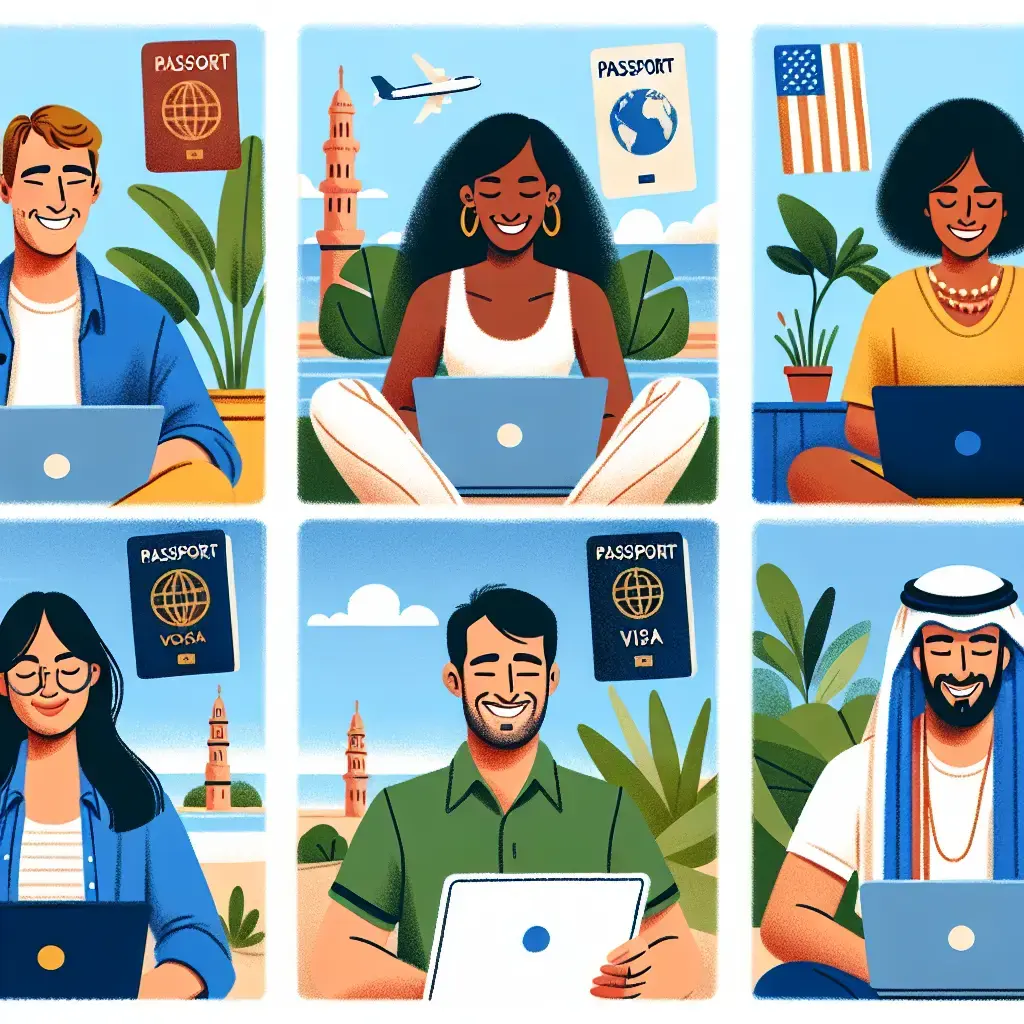
Digital nomad visas have emerged as a cornerstone for those seeking a work-from-anywhere culture. These visas typically allow professionals to live and work remotely in a foreign country for an extended period without being subject to local employment laws. The flexibility offered by these visas has sparked interest among those desiring location-independent work, facilitating career development for digital nomads while fostering digital nomad community growth.
Countries like Estonia, Portugal, and Barbados have pioneered the digital nomad visa movement, tailoring their offerings to attract skilled workers looking for new remote work opportunities. This trend aligns with global workforce trends that emphasize adaptability and the ability to work across borders seamlessly.
As remote work opportunities continue to expand, the need for targeted education for digital nomads becomes increasingly important. Online learning for nomads is flourishing, supported by remote work education programs designed to equip individuals with the necessary skills for remote work success. These programs often focus on future job skills such as digital communication, project management, and cross-cultural collaboration.
Education technology for nomads is also playing a crucial role in this landscape. By transcending geographical boundaries, these technologies ensure that learning remains accessible and relevant regardless of location. For instance, platforms offering virtual reality-based training modules allow nomads to engage in immersive learning experiences that enhance their professional skill set.
Flexible Work Arrangements: A Double-Edged Sword?
The impact of digital nomad visas on education is profound. As more professionals embrace this lifestyle, there is an increasing emphasis on designing curricula that cater specifically to the needs of digital nomads. Institutions are beginning to offer flexible learning schedules and diverse course offerings to accommodate the varied time zones and demands of a nomadic lifestyle.
Moreover, digital nomad visa benefits are becoming more widely recognized, prompting educational institutions to form partnerships with companies offering remote work positions. This synergy ensures that students are not only learning theoretical concepts but also gaining practical experience in real-world scenarios.
While flexible work arrangements are a boon for many, they also present challenges. The absence of a fixed work environment can blur the lines between personal and professional life, leading to burnout if not managed effectively. Employers are increasingly aware of this risk and are implementing strategies to support their remote teams. This includes offering mental health resources and encouraging regular breaks to maintain a healthy work-life balance.
The Accor research highlights that by 2025, concepts like "cool-cations" — a blend of leisure and remote work — will become mainstream (source). These trends underscore the shifting priorities of modern professionals who value experiences over traditional career paths. Countries offering digital nomad visas are poised to benefit from this shift as they attract talent eager to explore new destinations while maintaining their careers.
The list of digital nomad visa countries is growing steadily as governments recognize the economic and cultural benefits of hosting a diverse, global workforce. Nations are tailoring their visa requirements to ensure they attract top talent while safeguarding local employment markets. These efforts not only enhance economic growth but also promote diverse cultural exchanges, enriching both host countries and visiting professionals.

Leave a Comment