

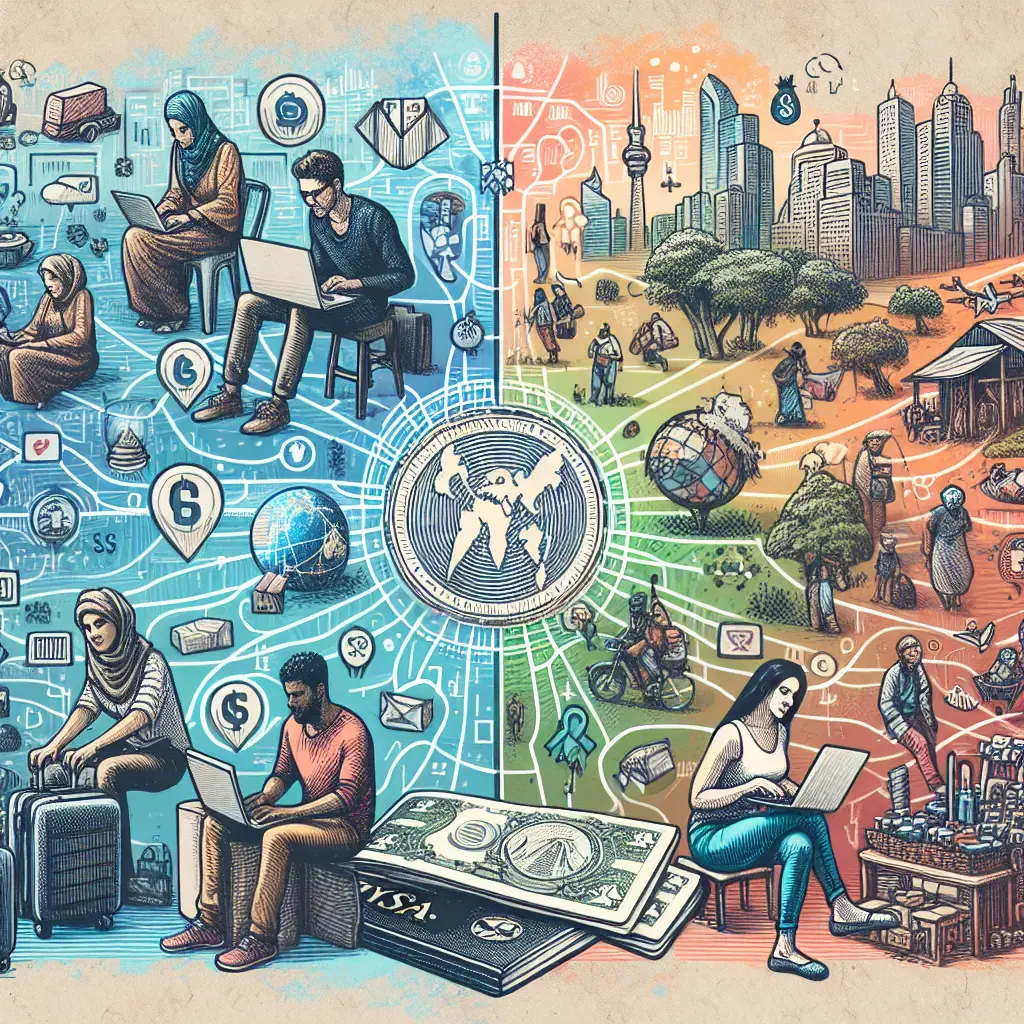
In recent years, the rise of remote work has revolutionized the traditional office setup, giving birth to a new breed of professionals known as digital nomads. As they traverse the globe, these modern wanderers are not only seeking adventure but also contributing to the economies of their host countries through digital nomad visas. These visas are more than just travel documents; they represent a burgeoning opportunity for local economies eager to attract the financial impact of digital nomads. Countries worldwide are beginning to recognize the economic effects of digital nomad visas, offering incentives that transform these travelers into temporary residents who can drive local economy growth.
The allure of digital nomad visas extends beyond just tourism. They bring economic opportunities that include increased spending in local businesses and the potential for GDP growth. Moreover, the financial benefits of hosting digital nomads can be substantial. Their spending patterns often align with supporting local cafes, co-working spaces, and leisure activities, providing a steady stream of revenue for businesses that might otherwise rely heavily on seasonal tourism.
Beyond their immediate financial contributions, digital nomad visas for entrepreneurs and remote workers can foster innovation and cross-cultural exchanges, further enriching the economic landscape. Successful policies and residency programs can become powerful catalysts for change, with numerous digital nomad visa success stories highlighting the transformative potential for cities and communities.
As we delve deeper into this topic, we will explore how these visas create financial advantages for host countries and examine the broader implications of integrating digital nomads into local economies.
Exploring the Impact of Digital Nomad Visas on Local Economies
The Financial Impact of Digital Nomads
Digital nomad visas have created a substantial economic impact by introducing a new demographic that actively contributes to local economies. The spending patterns of digital nomads typically benefit a wide range of local businesses. From cafes and restaurants to co-working spaces and leisure activities, their expenditures provide a steady stream of income that helps stabilize local economies, especially those heavily reliant on seasonal tourism.
For instance, a recent study by the World Economic Forum highlighted how digital nomads in Portugal contributed an estimated €50 million to the economy in 2023. This influx is not just limited to traditional hospitality services; it extends to tech-based services and collaborative spaces that are increasingly thriving due to this new market.
Countries offering digital nomad visas have reported various economic advantages. One prominent example is Estonia, which launched its e-residency program back in 2014. The initiative has since grown, with over 90,000 digital entrepreneurs contributing to the country’s GDP growth. According to a report by Estonia’s Ministry of Economic Affairs, the digital nomad visa program alone contributed a 1.5% boost to their GDP in 2023.
Moreover, the economic effects of digital nomad visas are evident in the real estate sector. In cities like Bali and Chiang Mai, the demand for short-term rentals has surged, leading to revitalized neighborhoods and increased property values. Such impacts demonstrate how digital nomad residency programs can breathe new life into local markets.
Digital Nomad Visa Economic Opportunities
With the implementation of remote work visas, host countries are not only attracting transient visitors but also fostering long-term economic relationships. The potential for innovation and cross-cultural exchange is immense. For example, in Georgia, the "Remotely from Georgia" program has allowed over 2,000 digital nomads to settle temporarily, fostering entrepreneurial ventures that integrate local talent with international expertise.
This kind of economic synergy is vital for sustainable development. It encourages skills transfer, innovation, and cultural exchange, positioning these countries as hubs for global collaboration. The financial benefits of hosting digital nomads extend beyond mere spending power; they include creating a vibrant, diverse business ecosystem that supports both local and international stakeholders.
Digital Nomad Visa Policy Impact
The policy frameworks surrounding digital nomad visas play a crucial role in determining their success and impact on local economies. Countries like Barbados, with its "Welcome Stamp" visa, have developed comprehensive policies that ensure a seamless transition for digital nomads into local communities. By offering tax incentives and simplified regulatory processes, these policies encourage more digital nomads to choose these locations as their temporary homes.
A case study on Barbados revealed that in 2023 alone, the program attracted over 5,000 remote workers who contributed significantly to local businesses and community projects. This kind of structured approach not only enhances the appeal of such destinations but also maximizes the financial advantages for host countries.
The Role of Digital Nomads in Local Business Growth
Digital nomads are increasingly seen as key players in revitalizing local businesses. Their unique lifestyle requires services that can cater to their needs—be it high-speed internet in rural areas or specialized leisure activities tailored for a global audience. This demand creates opportunities for local entrepreneurs to innovate and grow.
For instance, in Medellín, Colombia, digital nomads have driven the expansion of co-working spaces and tech hubs, making the city a preferred destination for tech startups and freelancers worldwide. The city's annual economic report noted a 20% increase in revenue from co-working spaces and related industries directly linked to the influx of digital nomads.
Conclusion: A Transformative Force
While this section does not conclude our exploration of the topic, it's clear that digital nomad visas are more than just travel documents—they are transformative economic tools. They bring with them opportunities for financial growth, innovation, and cultural enrichment that can significantly alter the economic landscapes of host countries.
As we continue to see an increase in remote work and digital nomadism, the role of these visas will likely expand further, offering even greater economic opportunities for forward-thinking nations willing to embrace this modern workforce trend.
Key Points Summary:
In summary, digital nomad visas are reshaping local economies by introducing a dynamic new demographic of remote workers. Key points to note include:
- Economic Contributions: Digital nomads have significantly boosted local economies through diverse spending, from hospitality to tech services. For example, Portugal has seen an estimated €50 million contribution from digital nomads.
- GDP Growth: Programs like Estonia's e-residency have demonstrated tangible economic benefits, with digital nomads contributing a 1.5% boost to GDP in 2023.
- Real Estate and Urban Revitalization: The demand for short-term rentals has invigorated neighborhoods in destinations like Bali and Chiang Mai, increasing property values and rejuvenating local markets.
- Entrepreneurial Synergies: Programs such as "Remotely from Georgia" foster international collaboration, integrating local talents with global expertise, and creating a vibrant business ecosystem.
- Policy Effectiveness: Countries like Barbados have crafted supportive policies to maximize the economic impact of digital nomads, enhancing community and business growth.
- Business Growth Opportunities: In places like Medellín, Colombia, digital nomads have stimulated the development of tech hubs and co-working spaces, encouraging innovation and entrepreneurship.
As digital nomadism continues to rise, embracing this trend offers forward-thinking nations an opportunity to harness economic growth and cultural exchange. We invite you to reflect on how your community might benefit from welcoming digital nomads.

Leave a Comment